




★ Key Takeaways
- ✓For an ordinary state-to-state move, a loan or lease almost never matters -- you do not need permission to ship a car you are financing across the Lower 48.
- ✓It matters at a port. Ocean carriers handling Hawaii, Alaska barge, and overseas moves generally require written lienholder authorization before the vehicle can sail.
- ✓Leases are stricter than loans. The leasing company owns the vehicle outright, and many lease agreements restrict moving it out of state permanently or out of the country at all.
- ✓Budget 5 to 10 business days for the letter. Lender processing time -- not transport -- is what delays these shipments, and requests submitted on a Friday routinely lose a week.
- ✓Get the letter before you book a sailing date. A confirmed booking you cannot make is the expensive version of this mistake.
We have been arranging vehicle transport since 1999, and there is one phone call that reliably ruins somebody's week. It goes like this: the customer has a sailing date to Honolulu, the truck leg to the port is booked, everything is set -- and three days out, the ocean carrier asks for the lienholder letter. Nobody mentioned it earlier because nobody thought to. The lender needs a week to produce it. The sailing goes without the car. Let's make sure that is never you.
Start with the good news, because it covers most people reading this. If you are shipping a financed car from Ohio to Arizona, or anywhere else inside the Lower 48, your loan is almost certainly irrelevant to the shipment. You do not need your lender's permission to move a vehicle you are paying on. The lender holds a lien on the title, not a veto on your driveway. Carriers do not ask, ports are not involved, and the whole question never comes up. Ship it like anyone else would.
| Type of move | Letter usually required? | What to expect |
|---|---|---|
| State to state, Lower 48 | No | Ship normally -- the loan is between you and the lender |
| To or from Hawaii | Yes | Ocean carrier requires written lender authorization before sailing |
| To or from Alaska (barge) | Yes | Same requirement for the ocean leg out of Tacoma |
| Overseas / international | Yes, strictly | Customs and the ocean carrier both want it; allow extra time |
| Leased vehicle, any distance | Check the lease | The lessor owns it -- some leases restrict permanent out-of-state moves |
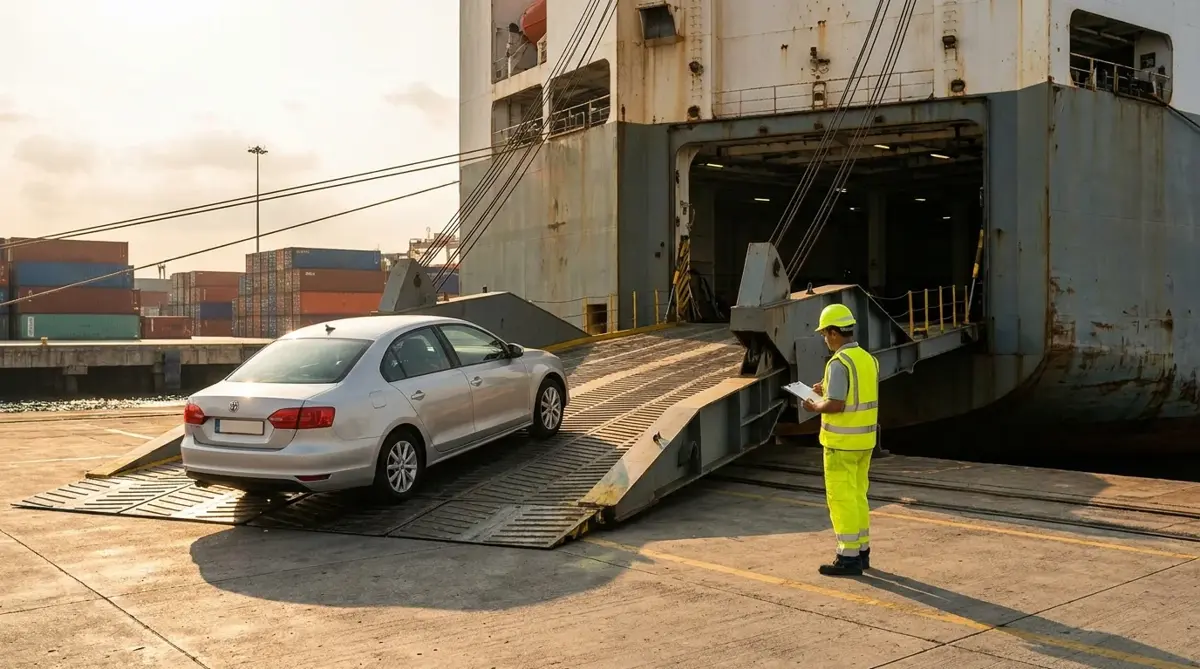
The rules change the moment the vehicle leaves the road network. Ocean carriers -- the ones handling Hawaii, the Alaska barge out of Tacoma, and anything international -- are moving your car outside the reach of a lender who has a legal interest in it. So they ask for proof that the lender knows and consents. That is all a lienholder letter is: a document on the lender's letterhead saying they are aware the vehicle is being shipped to a specific place and they authorize it. Sometimes it is called a lien release letter or an authorization to export, and the exact wording varies by carrier.
“Nobody is stopping you from shipping a financed car across the country. The trouble starts the moment saltwater is involved.”
Leases are a different animal, and people underestimate this one. With a loan, you own the car and the lender has a claim against it. With a lease, the leasing company simply owns the vehicle -- you are renting it long-term. That gives them far more say. Plenty of lease agreements have language restricting where the vehicle can be permanently kept, and some prohibit taking it out of the country outright. If you are leasing and moving to Hawaii or overseas, read the agreement before you plan anything, because the answer may be that the car does not go at all.
Ready to ship? Get a real price in 60 seconds.
Our AI marketplace pulls live bids from verified carriers running your route this week — no obligation, no spam.
Get My Free Quote →Here is the part that actually causes the pain: timing. Getting the letter is not hard, it is just slow. You are asking a bank's title department to produce a specific document for an unusual request, and that queue moves at bank speed. Five to ten business days is normal. We have seen it in two days, and we have seen it take three weeks when a request landed in the wrong inbox. Submit on a Friday afternoon and you have functionally lost a week. So the sequence that works is: request the letter first, then book the sailing around when it actually arrives -- not the other way around.
When you call, be specific, because a vague request gets a vague response. Ask for a lienholder authorization letter for vehicle transport. Have the VIN, your account number, the destination, and the approximate ship date ready. Tell them who the ocean carrier is if you know. Ask them to email a PDF rather than mail it, and get a direct contact so you are not starting over with a new representative each time you follow up. If the first person you reach has never heard of the request, ask for the title department specifically -- that is who handles it.
A couple of adjacent things worth knowing while you are gathering paperwork. You will also need the title or registration, photo ID, and for ports, usually the booking confirmation. If the vehicle is financed you may not physically have the title, since the lender holds it -- that is expected, and the letter is what stands in for it. And if you are shipping to Alaska or Hawaii, remember it is a two-part move: a truck leg to the port plus the ocean leg, and the paperwork requirement lives on the ocean side.
None of this is a reason to avoid shipping a financed car. It is a reason to make one phone call earlier than you were planning to. The customers who have a smooth port move are simply the ones who asked their lender for the letter the same week they started shopping for transport, and then let the paperwork and the logistics run in parallel instead of in sequence.
American Auto Shipping is an AI-powered shipping marketplace -- not a broker, not a carrier. We do not own trucks and we never assign one to you. Verified carriers compete for your shipment and you pick the offer you want. If you have a financed or leased vehicle headed somewhere interesting, get a free quote on our platform or call (800) 930-7417 and we will walk you through what your specific route requires.
About the Author
Dave Armstrong is one of American Auto Shipping's longest-tenured team members. As content manager and strategist, most of what you read on this website came from him. He has extensive knowledge of the auto transport industry, having spent time in every role the business has to offer.