Ship anything.
Save everything.
Get competing bids from thousands of verified car shipping companies. Compare prices, read reviews, and book with confidence — all in one marketplace.
What do you need to ship?
From a single motorcycle to a full truckload, we connect you with car shipping companies who specialize in your type of shipment.

Vehicles
Cars, trucks, SUVs & vans shipped door-to-door across the US.

Boats
Sailboats, yachts, jet skis & personal watercraft transport.
Freight
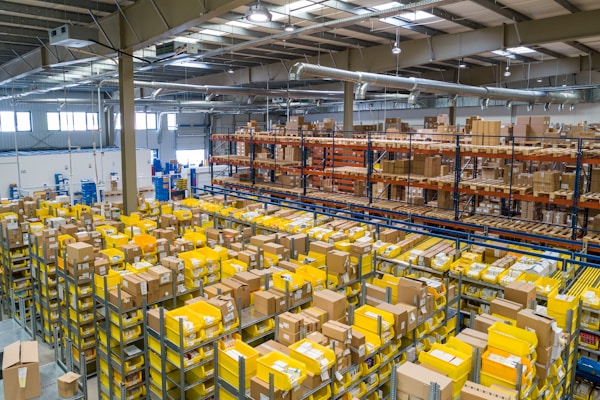
LTL, FTL, flatbed, dry van & reefer freight shipments.

Household
Furniture, appliances & full household moves nationwide.

Heavy Equipment
Construction, farm & industrial machinery on flatbed trailers.

Motorcycles
Bikes, ATVs & powersports shipped safely in enclosed trailers.
How it works
Four simple steps from listing to delivery. No phone calls, no haggling, no surprises.
List Your Shipment
Tell us what you need shipped, where it is now, and where it needs to go. It takes under two minutes.
Get Competing Bids
Verified car shipping companies see your listing and compete for your business with real, binding quotes.
Compare & Choose
Review company profiles, ratings, and prices side-by-side. Pick the best fit for your shipment.
Book & Track
Book your car shipping company with secure payment. Track your shipment in real-time until delivery.
Fill your trucks.
Grow your business.
Join 35,000+ verified car shipping companies who use AIM to find loads, reduce deadhead miles, and increase revenue with AI-powered tools built for the modern trucker.
Proximity Alerts
Get notified when loads are posted near your truck, so you never deadhead.
Auto-Bidding
Set rules and let AI place bids on loads that match your lanes, equipment, and pricing.
Earnings Dashboard
Track revenue, expenses, and per-mile rates across all your completed shipments.
Build Your Reputation
Earn verified reviews, badges, and preferred-company status to win more loads.
Trusted by shippers & car shipping companies
Real people. Real shipments. Real results.
“AIM completely changed my business. I used to deadhead 30% of the time. Now I fill nearly every mile and the auto-bidding feature saves me hours each week.”
“We ship heavy machinery coast to coast. The bidding process saved us 22% compared to our old broker. Plus the tracking gives our customers peace of mind.”
“Moved my car from Arizona to Florida in three days. Got five competing bids within an hour and the car shipping company I picked was outstanding. Will definitely use again.”
Not sure what it'll cost?
Use our free price estimator to get an instant ballpark, or browse available loads to see what car shipping companies are charging right now.
Frequently Asked Questions
Everything you need to know about shipping with AIM.
Ready to move America?
Whether you're shipping a car or hauling freight, AIM connects you with the right car shipping company at the right price.